Understanding Pelvic Floor Therapy: A Comprehensive Overview
Pelvic floor therapy is an essential aspect of women's health that is often overlooked. Many women in Abu Dhabi may experience pelvic floor issues that affect their daily lives, yet they remain unaware of the treatments available. With a growing awareness of pelvic health, it becomes crucial to understand what pelvic floor therapy entails and how it can benefit individuals. Exploring options for pelvic floor therapy Abu Dhabi can provide comprehensive insights and support for those in need.
What is Pelvic Floor Therapy?
Pelvic floor therapy is a specialized form of physical therapy that focuses on the muscles, ligaments, and connective tissues of the pelvic region. This therapy aims to strengthen and rehabilitate the pelvic floor, which is crucial for bladder and bowel control, as well as sexual function. Trained pelvic floor therapists use various techniques to help individuals regain strength and function in this area, tailoring sessions to meet each patient's needs.
Importance of Pelvic Floor Health
The pelvic floor plays an integral role in supporting the organs in the pelvis, including the bladder, uterus, and rectum. Maintaining pelvic floor health is essential for overall well-being. Weak pelvic floor muscles can lead to various health issues, such as urinary incontinence, pelvic organ prolapse, and chronic pelvic pain. Ensuring that these muscles are strong and functional can significantly improve a woman's quality of life.
Common Conditions Treated with Pelvic Floor Therapy
Pelvic floor therapy addresses a range of conditions, including:
- Urinary incontinence
- Fecal incontinence
- Pelvic pain syndromes
- Pelvic organ prolapse
- Postpartum recovery issues
- Intercourse pain
By targeting these conditions, pelvic floor therapy can help alleviate symptoms and support long-term health improvements.
Benefits of Pelvic Floor Therapy for Women in Abu Dhabi
Improving Quality of Life
For many women, pelvic floor issues can hinder daily activities and overall happiness. Engaging in pelvic floor therapy can lead to significant improvements in quality of life. Patients often report enhanced emotional well-being, reduced anxiety related to bladder and bowel issues, and increased confidence in social settings.
Enhancing Recovery After Childbirth
Childbirth can place tremendous stress on the pelvic floor, leading to weakness or injury. Pelvic floor therapy is especially beneficial for new mothers as it helps in rehabilitating the pelvic region after delivery. Therapists guide women through tailored exercises to promote healing and restore function, allowing them to return to their pre-pregnancy activities more comfortably.
Managing Chronic Pelvic Pain
Chronic pelvic pain can be debilitating, affecting not only physical health but also emotional stability. Pelvic floor therapy offers techniques to help manage pain, including manual therapy, exercises, and relaxation strategies. Through consistent therapy, patients can learn to control pain symptoms, enhancing their overall quality of life.
Techniques and Approaches in Pelvic Floor Therapy
Manual Therapy Techniques
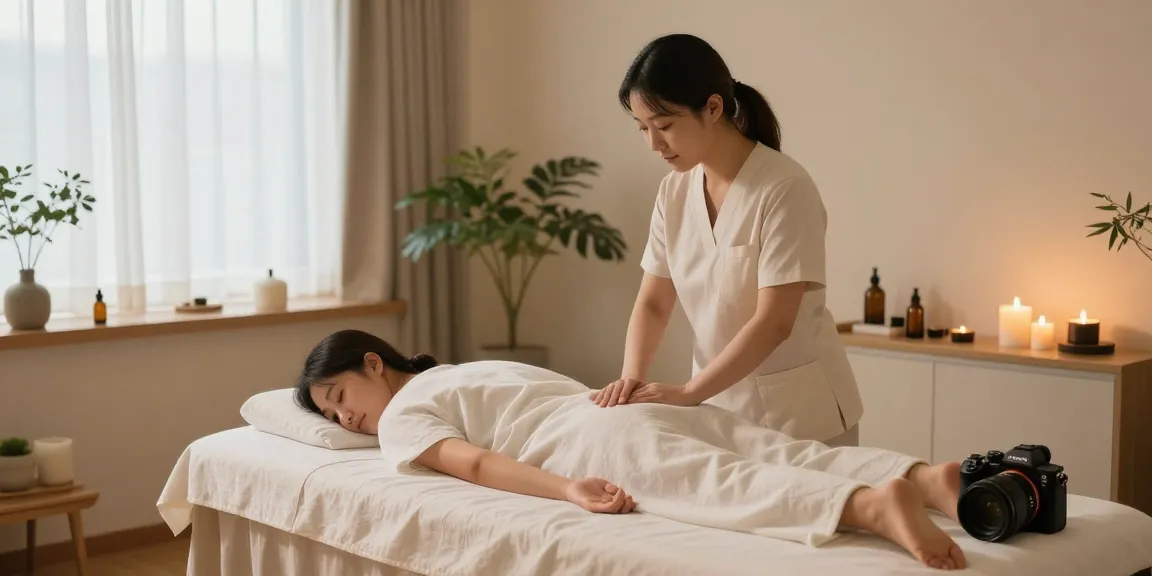
Manual therapy techniques involve the physical manipulation of pelvic floor muscles by the therapist. These hands-on approaches help release tension, improve muscle coordination, and enhance blood circulation in the pelvic area. Manual therapy can be particularly effective in reducing pain and restoring normal muscle function.
Exercise and Rehabilitation Strategies
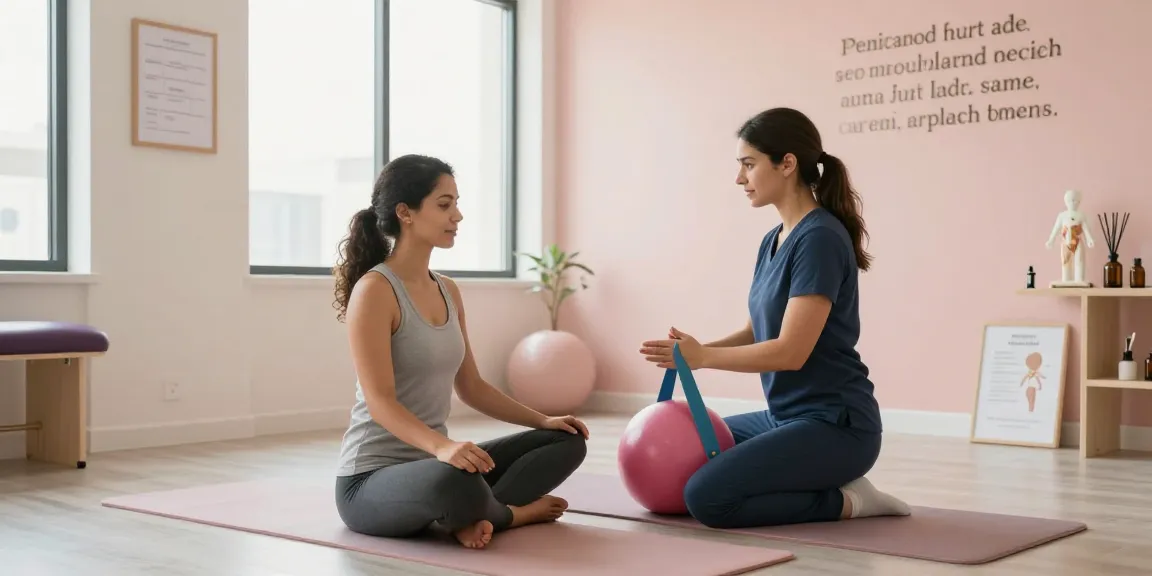
Exercise plays a vital role in pelvic floor therapy. Therapists often design specific rehabilitation programs that focus on strengthening muscles through targeted exercises, such as Kegel exercises, pelvic tilts, and stretches. These activities aim to enhance muscle tone and provide better support for pelvic organs.
Biofeedback and Advanced Therapies
Modern advancements in pelvic floor therapy include biofeedback techniques. This approach utilizes electronic monitoring devices to give patients real-time feedback on their muscle contractions. By visualizing their pelvic floor activity, patients can learn to perform exercises more effectively and address specific concerns more accurately.
Choosing the Right Pelvic Floor Therapist in Abu Dhabi
Qualifications to Look For
Choosing a qualified pelvic floor therapist is crucial for effective treatment. When searching for a therapist, look for credentials such as a Doctor of Physical Therapy (DPT) with specialized training in pelvic health. Additionally, consider therapists who have certifications from recognized professional organizations, ensuring that they have the expertise needed to address your specific concerns.
What to Expect During Your First Visit
During the first visit, expect a thorough evaluation of your medical history and symptoms. The therapist will likely perform physical assessments and discuss your specific goals and concerns. This initial session is key for developing a personalized treatment plan that suits your needs.
Questions to Ask Your Therapist
When meeting with a pelvic floor therapist for the first time, consider asking the following questions:
- What is your experience with treating my specific condition?
- What types of therapies do you recommend?
- How long do you expect treatment to take?
- What will my sessions typically involve?
These inquiries can help establish a clearer understanding of the therapy process and what to anticipate moving forward.
Future Trends in Pelvic Floor Therapy for 2026 and Beyond
Innovative Treatment Options Emerging in the Field
The field of pelvic floor therapy is continually evolving. Future trends suggest a rise in holistic approaches that combine physical therapy with mental health support, recognizing the connection between emotional well-being and pelvic health. Innovative treatment options, such as virtual reality and gamified exercises, may also become more common, enhancing patient engagement and outcomes.
Role of Technology in Pelvic Floor Rehabilitation
Technology is poised to transform pelvic floor rehabilitation significantly. Wearable devices that monitor pelvic muscle activity in real-time and mobile applications that facilitate home exercises are anticipated to gain traction. These technologies empower patients to take an active role in their rehabilitation journey.
Community Awareness and Education Initiatives
As the understanding of pelvic health grows, community awareness initiatives are becoming increasingly important. Workshops, support groups, and informational campaigns can help destigmatize pelvic floor issues and encourage individuals to seek treatment. Educational resources aim to empower women in Abu Dhabi to prioritize their pelvic health actively.